
 English
 中文简体
中文简体


Material selection has become a practical purchasing issue for retailers, distributors, hospitality groups, and foodservice businesses sourcing kitchen tools and utensils for overseas markets. Buyers are now looking beyond appearance and unit cost, paying closer attention to food-contact suitability, heat resistance, cleaning requirements, durability, and end-user expectations. For manufacturers, the challenge is to select materials that match the intended application rather than simply following the latest material trend.
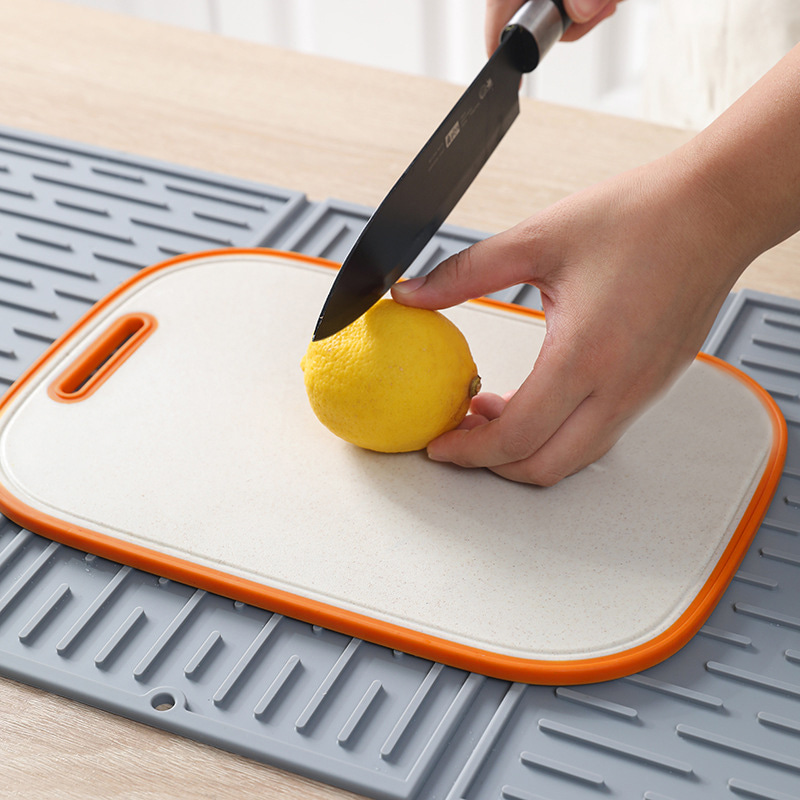
Why Material Choice Affects Product Performance
A kitchen utensil may appear simple, but its working environment can vary considerably. A spatula used with high-temperature cookware faces different demands from a serving spoon, measuring tool, or storage accessory.
Material selection influences several practical factors:
- Resistance to heat and repeated washing
- Surface durability during daily use
- Compatibility with different cookware surfaces
- Cleaning and maintenance requirements
- Overall product weight and handling comfort
For bulk buyers, these details can affect customer satisfaction, return rates, and the positioning of an entire product line.
Stainless Steel for Strength and Long-Term Use
Stainless steel remains a common choice for tools requiring structural strength, corrosion resistance, and easy cleaning. It can be particularly suitable for commercial kitchens, foodservice environments, and utensils that need a rigid working surface.
However, stainless steel is not automatically suitable for every application. Metal edges can potentially scratch certain cookware surfaces, so manufacturers may need to adjust the product design or combine stainless steel with other materials depending on the intended use.
Silicone and Soft-Touch Materials for Heat-Exposed Tasks
Food-grade silicone is frequently considered for spatulas, brushes, baking accessories, and other tools that require flexibility and resistance to heat. Its softer surface can also be useful when the utensil is designed for coated cookware.
For procurement teams, the important issue is not simply whether a product is described as “silicone,” but whether the material specification, formulation, and relevant food-contact documentation match the target market. Clear material traceability can make supplier evaluation more straightforward.
Wood and Bamboo Need More Than an Eco-Friendly Story
Wood and bamboo products continue to attract attention as buyers explore alternatives to conventional plastic. Current consumer discussions increasingly connect kitchen products with sustainability and reduced plastic use.
Yet natural materials still require careful manufacturing. Moisture control, surface finishing, bonding materials, dimensional stability, and cleaning instructions can all influence product performance. A responsible manufacturer should therefore discuss the complete construction rather than presenting “natural material” as the only selling point.
Design Should Follow the Cooking Task
Material and design should work together. A durable material cannot compensate for an unsuitable shape, uncomfortable handle, or poorly balanced structure.
When developing a new utensil series, manufacturers can evaluate:
- The food and cookware the product will contact
- Expected temperature exposure
- Frequency of washing
- Required flexibility or rigidity
- Grip and ergonomic requirements
- Storage and packaging conditions
This application-based approach helps buyers build product ranges with clearer functional differences instead of offering several visually similar items.
Documentation Is Becoming Part of the Product
For international procurement, technical documentation is increasingly important. Buyers may need material declarations, food-contact testing, restricted-substance information, or market-specific compliance documents depending on the destination and application.
This is particularly relevant as overseas consumers become more interested in what materials are used in products that directly contact food. Recent media coverage shows growing attention to plastic utensils, microplastics, PFAS-related concerns, and safer material alternatives.
Build the Product Around the Target Market
There is no single material that is ideal for every kitchen application. A successful sourcing strategy starts with the intended use, target market, price positioning, performance requirements, and compliance expectations. Manufacturers that can provide flexible material selection and application-based development give buyers more room to create differentiated product lines.
For overseas distributors and private-label brands, working with an experienced manufacturer of kitchen tools and utensils can make material selection more systematic, helping transform changing consumer expectations into practical product specifications.






 Phone
Phone
 Email
Email