
 English
 中文简体
中文简体


For retailers, distributors, hospitality suppliers, and private-label brands, sourcing kitchen tools and utensils is increasingly about creating useful product collections rather than adding isolated items to a catalog. Buyers are looking for tools that solve clear cooking problems, work across different kitchen environments, and provide enough functionality to justify their place in limited storage space. This shift creates opportunities for manufacturers to rethink how individual utensils are designed, combined, and positioned for different markets.
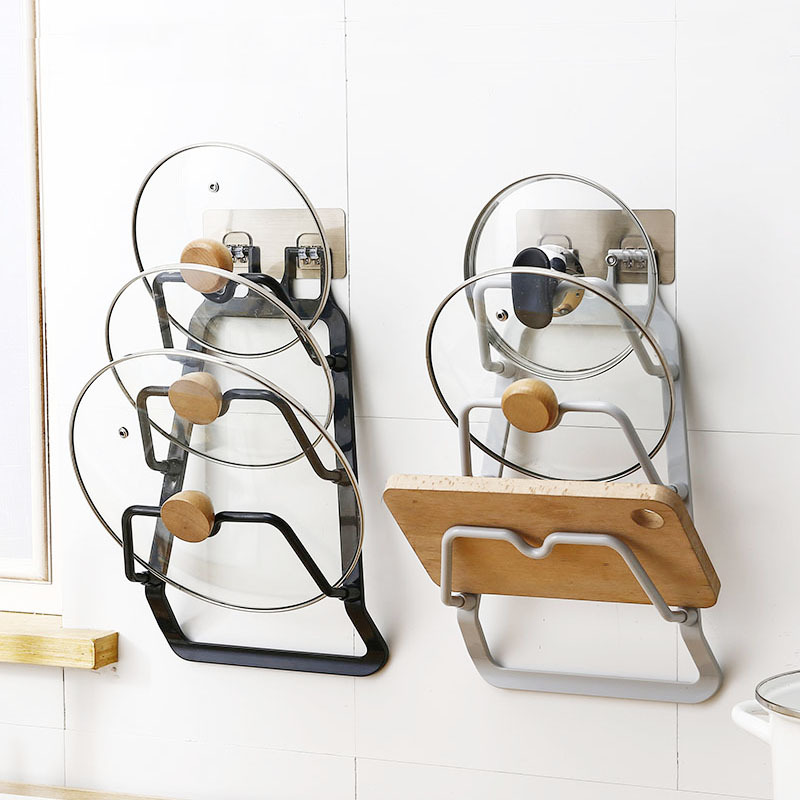
Why Multi-Function Design Is Gaining Attention
Modern kitchens often need to accommodate cooking, preparation, serving, and storage within the same working area. Current kitchen design research continues to highlight multifunctional spaces and storage optimization as important considerations.
For product buyers, this means a tool with more than one practical application can have stronger commercial potential. A utensil that can perform several related tasks may reduce the number of individual products consumers need to store while giving retailers more useful selling points.
Combining Functions Without Making Tools Complicated
Multi-purpose does not necessarily mean adding as many functions as possible. Overcomplicated designs can make products harder to clean, use, or manufacture.
A better approach is to combine functions that naturally belong together. For example, measuring, portioning, mixing, serving, or food preparation tasks can sometimes be integrated into a single product when the shape and dimensions remain intuitive.
From a manufacturing perspective, every additional component should have a clear purpose. This helps maintain usability while keeping production and quality control manageable.
Space Efficiency Matters Beyond Storage
Compact kitchens are not the only environment where space-efficient utensils are useful. Restaurants, catering operations, hospitality facilities, and foodservice businesses also need to organize tools around specific workstations.
A well-designed utensil can help users keep frequently needed functions within reach without filling drawers or countertops with rarely used items. For distributors, compact designs may also offer practical advantages during packaging, warehousing, and product merchandising.
Design the Collection, Not Just the Individual Product
For private-label buyers, developing a coordinated product family can be more effective than sourcing unrelated utensils. Similar handle shapes, finishes, colors, or packaging styles can create a recognizable visual identity across multiple SKUs.
Manufacturers can support this approach by developing variations around a common design platform. A collection might include preparation tools, cooking utensils, serving pieces, and measuring accessories while maintaining consistent visual characteristics.
This gives retailers more flexibility when building seasonal displays, online collections, or complete kitchen solutions.
Functionality Must Survive Everyday Cleaning
A product may perform well during cooking but become inconvenient if cleaning is difficult. For commercial buyers in particular, surface design, joints, seams, and material combinations should be evaluated according to the expected cleaning process.
When developing multi-use utensils, manufacturers should consider whether food residue can accumulate around connections or textured areas. Smooth surfaces and appropriately designed structures can make routine cleaning easier without compromising the intended function.
Customization Can Create Clear Market Differences
Different regions and customer groups may have different expectations for kitchen products. A distributor serving hospitality businesses may need one configuration, while a retailer targeting home cooks may prefer another.
OEM and private-label development can address these differences through adjustments to:
- Handle dimensions and grip design
- Product size and weight
- Material combinations
- Surface finishes
- Color and branding
- Packaging formats
The goal is not customization for its own sake, but creating a product that fits a specific sales channel and user group.
Turning Practical Design Into Better Sourcing Decisions
For overseas buyers, the most useful kitchen products are often those that combine clear functionality with straightforward manufacturing and maintenance. Recent market discussions also show continued interest in practical, durable kitchen products and professional-style tools, particularly where buyers can see a clear everyday benefit.
Manufacturers that understand both product engineering and market requirements can help brands move from a basic utensil catalog toward more coherent product collections. By focusing on usability, space efficiency, cleaning, customization, and consistent production, kitchen tools and utensils can become more than individual accessories—they can form practical, market-ready solutions for different customer groups.


 Phone
Phone
 Email
Email