
 English
 中文简体



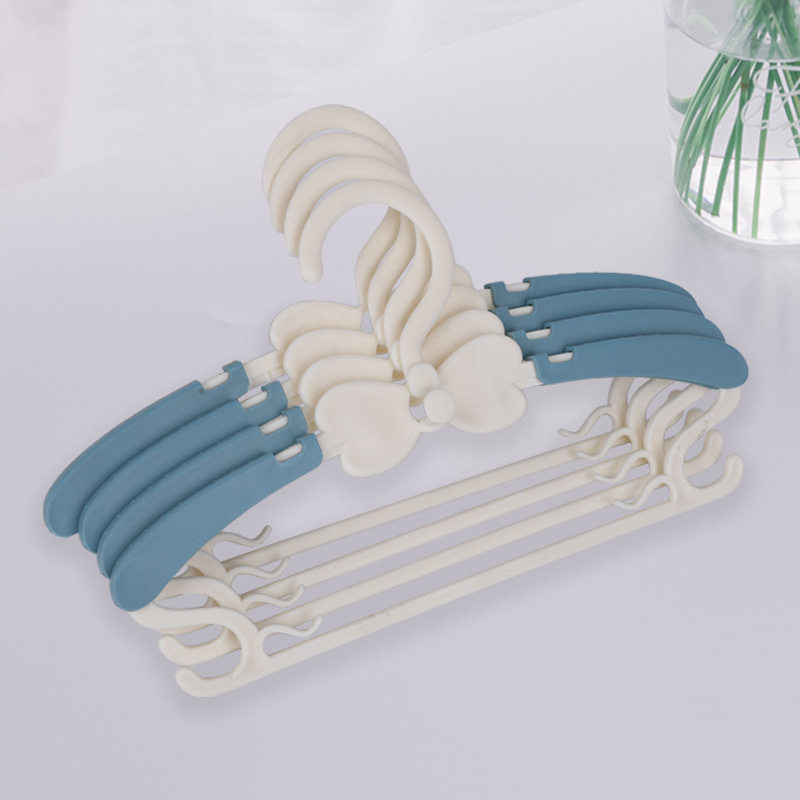
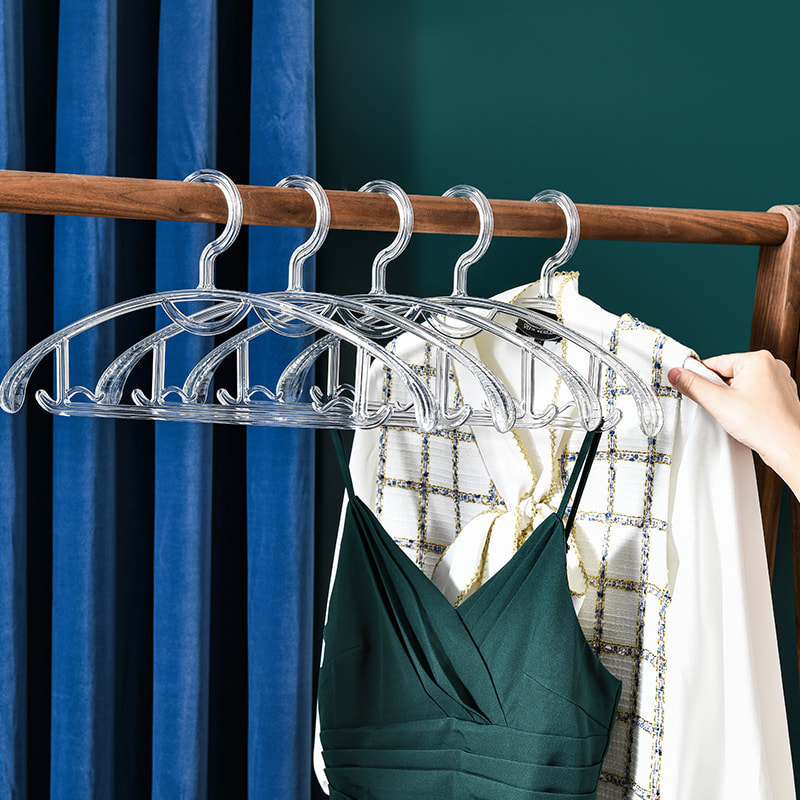
For clothing retailers, department stores, hotels, and household product distributors, buying hangers in bulk involves more than confirming the product design and unit price. A small difference in dimensions, color, surface finish, or hook assembly can become noticeable when hundreds or thousands of units are placed together. For overseas importers, sourcing Clothes Hangers requires attention to product consistency, packaging efficiency, order specifications, and supplier communication. Addressing these details before production can help reduce receiving problems and make repeat purchasing easier.

Define Product Specifications Before Requesting a Quotation
A clear product specification gives buyers and manufacturers a shared reference. General descriptions such as plastic hanger or wooden hanger are not enough to define a bulk order because products within the same category can differ in size, shape, thickness, finish, and construction.
Before requesting a quotation, buyers should identify the intended application and confirm the main requirements, including:
- Overall length, width, and thickness
- Material type and color
- Hook material and configuration
- Surface finish and edge treatment
- Clips, notches, or other functional features
- Logo, labeling, and packaging requirements
Providing drawings, reference photographs, or physical samples can make discussions more accurate. It also gives the manufacturer a clearer basis for evaluating production feasibility.
Maintain Consistency Across Production Batches
Consistency is particularly important for retailers and businesses operating multiple stores. If hangers purchased at different times have noticeably different dimensions or colors, the overall presentation may become less uniform.
Manufacturers should establish clear specifications for raw materials, production processes, assembly, and finished-product inspection. Buyers can ask how the supplier controls variations in color, shape, hook installation, and surface quality.
For customized orders, an approved sample can serve as a reference during production. Any agreed changes should be documented so that both parties work from the same specifications when placing repeat orders.
Check the Details That Affect Daily Handling
A hanger may appear acceptable in a photograph but still create problems during everyday use. Rough edges, loose hooks, uneven surfaces, or poorly fitted clips can affect handling in retail stores, laundries, and hotel wardrobes.
Buyers should evaluate finished samples from the perspective of staff and end users. For example, retail employees may handle hangers repeatedly when organizing clothing displays, while hotel housekeeping teams may need products that are easy to move and reposition.
Inspection should focus on functional details as well as appearance. Checking hook attachment, surface smoothness, structural stability, and accessory installation can help identify issues before bulk production is completed.
Packaging Can Influence Shipping and Storage Costs
Packaging is an important part of bulk purchasing, especially when products are shipped internationally. Hangers can occupy considerable space depending on their shape and arrangement. Poorly planned packaging may lead to inefficient carton use or unnecessary handling difficulties.
Buyers should discuss carton dimensions, packing quantities, product orientation, and protective materials with the manufacturer. For products with clips, decorative finishes, or other protruding components, packaging should also help prevent scratching and deformation during transportation.
It is useful to evaluate the packaging arrangement during the sample approval stage rather than waiting until the order is ready for shipment.
Plan Inventory Around Actual Demand
Ordering large quantities may reduce the frequency of purchasing, but it can also create storage pressure if the product range does not match actual sales demand. Different hanger styles may move at different rates depending on the retailer's clothing categories and customer preferences.
Importers should review their product assortment before confirming quantities. Basic models may be suitable for regular replenishment, while specialized designs can be ordered according to the needs of particular clothing collections or commercial customers.
A supplier that can clearly document product specifications and maintain communication about repeat orders can make inventory planning more manageable.
Communicate Customization Requirements Clearly
Private-label buyers may need specific colors, logos, packaging designs, or product combinations. These requirements should be discussed early because they can influence material selection, production arrangements, and sample approval.
A useful customization brief should explain the target market, intended application, product dimensions, branding details, and expected order quantity. Buyers should also confirm which elements must remain unchanged for future orders.
Clear documentation helps reduce misunderstandings between purchasing teams and manufacturing personnel, particularly when several product variations are included in one shipment.
For overseas importers, the goal is to establish a repeatable purchasing process in which product expectations are clearly defined and finished goods remain consistent with approved requirements. Careful supplier evaluation and communication can help businesses source Clothes Hangers that fit their sales channels, storage arrangements, and long-term inventory plans.


 Phone

 Email
