
 English
 中文简体



A hanger may seem like a simple accessory, but the wrong design can affect how garments are stored, displayed, and presented to customers. Lightweight shirts, structured jackets, knitwear, and heavy coats all have different support requirements. For retailers, clothing brands, hotel suppliers, and household product distributors, choosing suitable Clothes Hangers means considering more than shape or purchase price. Understanding how hanger design interacts with garment weight, fabric, and storage conditions can help buyers select products that serve their customers more effectively.

Match Hanger Shape to Garment Structure
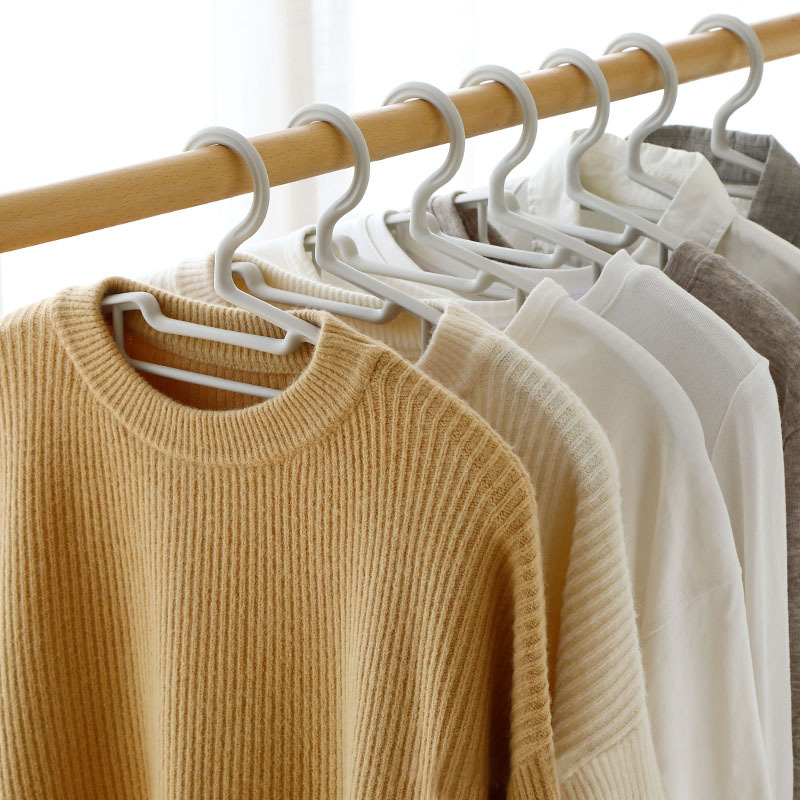
Different garments need different levels of support. A basic straight hanger may be suitable for everyday shirts, while jackets and coats often benefit from a wider shoulder profile that helps maintain their shape.
The width and contour of the hanger should correspond to the garment's construction. If the hanger is too narrow, the shoulders may lose their intended form. If it is too wide, the ends may press against the fabric and create unwanted marks.
For bulk buyers, grouping products by garment category is a practical starting point. It helps retailers choose appropriate hanger specifications for shirts, dresses, outerwear, and other clothing collections.
Protect Delicate Fabrics During Storage
Knitwear, silk garments, and lightweight fabrics can be more sensitive to pressure and contact marks. A hanger designed for structured clothing may not be suitable for every delicate item.
Buyers should consider the surface finish and contact area of the hanger. Smooth edges help reduce the risk of snagging, while a broader support surface can distribute garment weight more evenly. For some knitwear, folding rather than hanging may still be the more appropriate storage method, depending on the garment's construction and care instructions.
Manufacturers should pay attention to edge finishing, surface consistency, and the shape of contact points. These details can influence the user's experience even when they are not immediately visible in product photographs.
Prevent Garments From Slipping Off
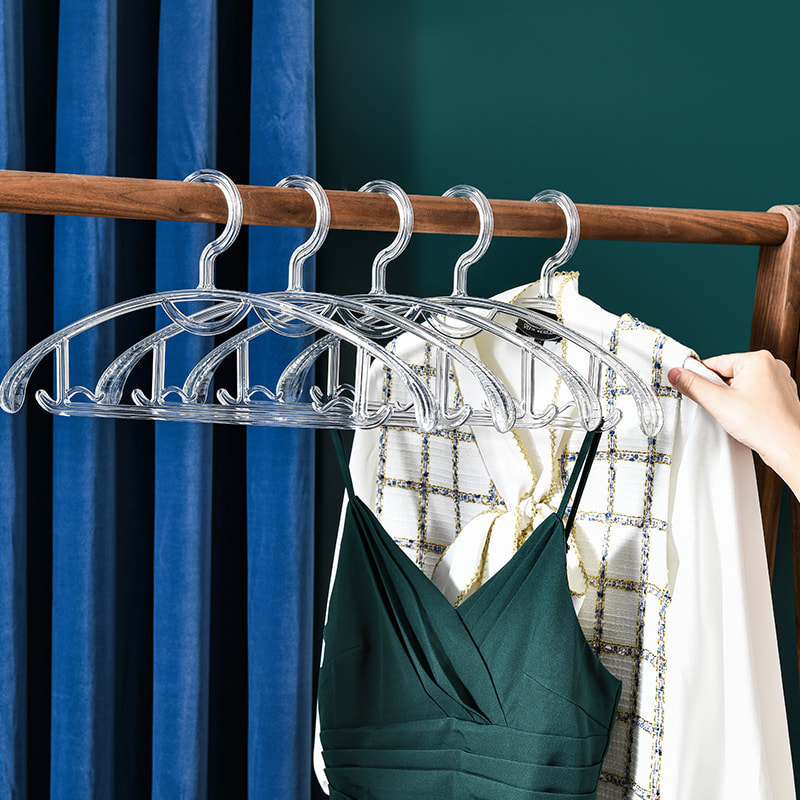
Slipping is a common practical concern, especially when garments have wide necklines, smooth fabrics, or narrow shoulder straps. A hanger that cannot hold the garment securely may lead to repeated adjustments in retail displays or home wardrobes.
Several design features can help address this issue:
- Notched shoulders for garments with hanging loops or straps
- Textured or coated contact areas for improved grip
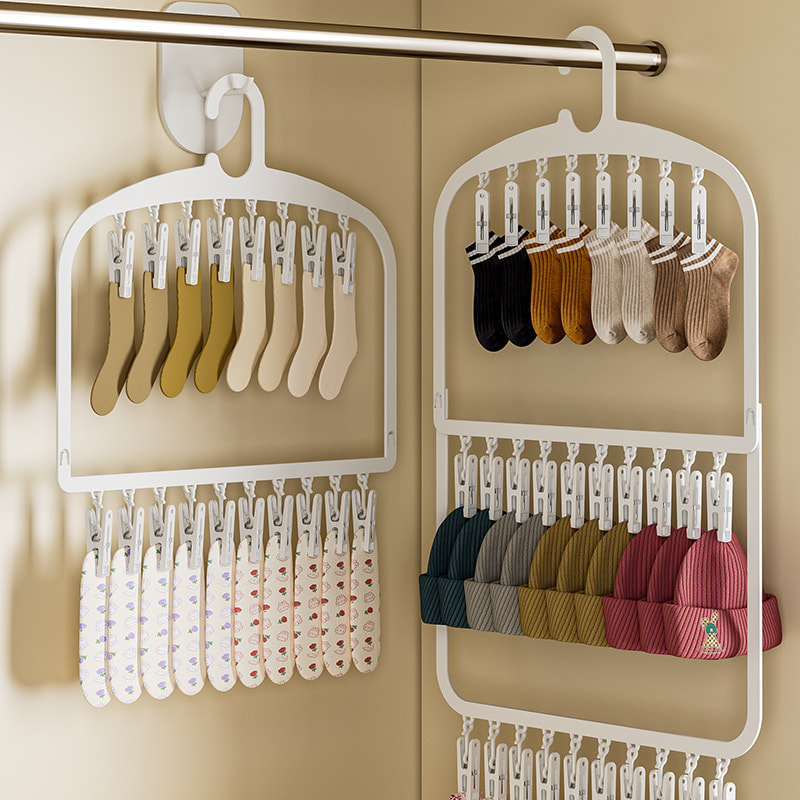
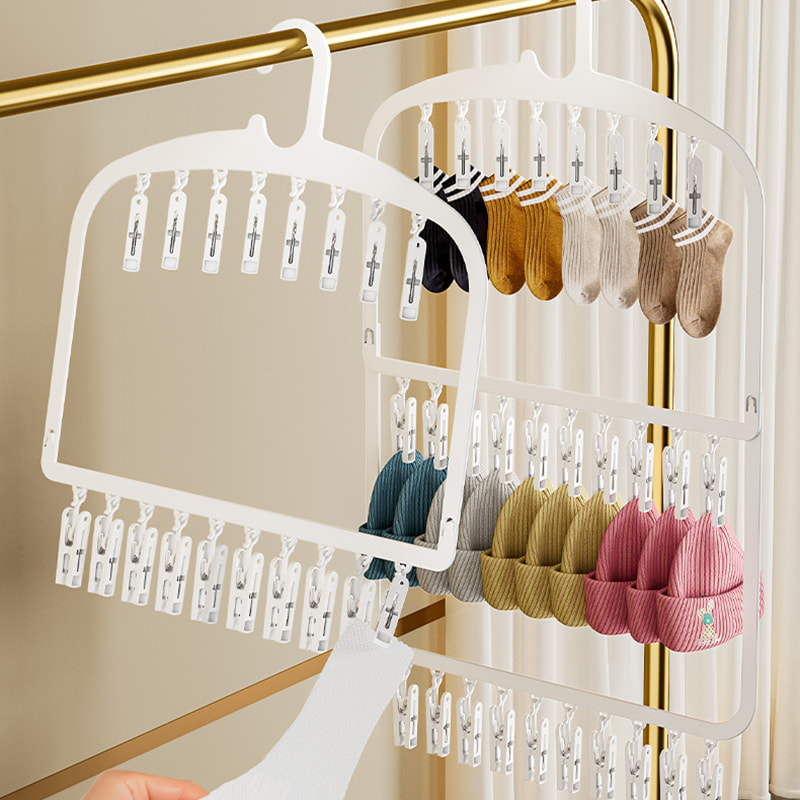
- Clips for skirts, trousers, and coordinated sets
- Appropriate shoulder contours for different garment shapes
The right combination depends on the intended application. Buyers should test these features with representative garments rather than assuming that one anti-slip design will work equally well for every fabric.
Consider Space Efficiency in Retail and Home Storage
Storage space is an important consideration for clothing retailers, hotels, laundries, and household goods distributors. Hangers with bulky shapes can occupy unnecessary space in wardrobes and stockrooms, while poorly designed slim hangers may not provide enough support for heavier garments.
A balanced design should consider thickness, hook orientation, shoulder width, and the way multiple hangers sit next to each other. Retail buyers may also need to think about how hangers look when displayed together, since a consistent appearance can contribute to a more organized clothing presentation.
Choose Materials According to Usage Requirements
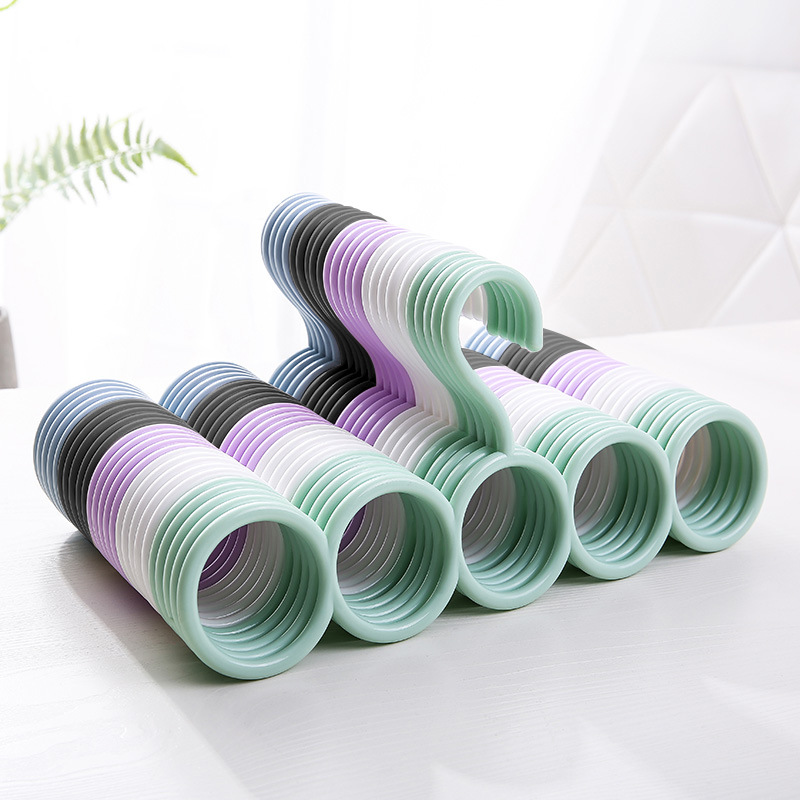
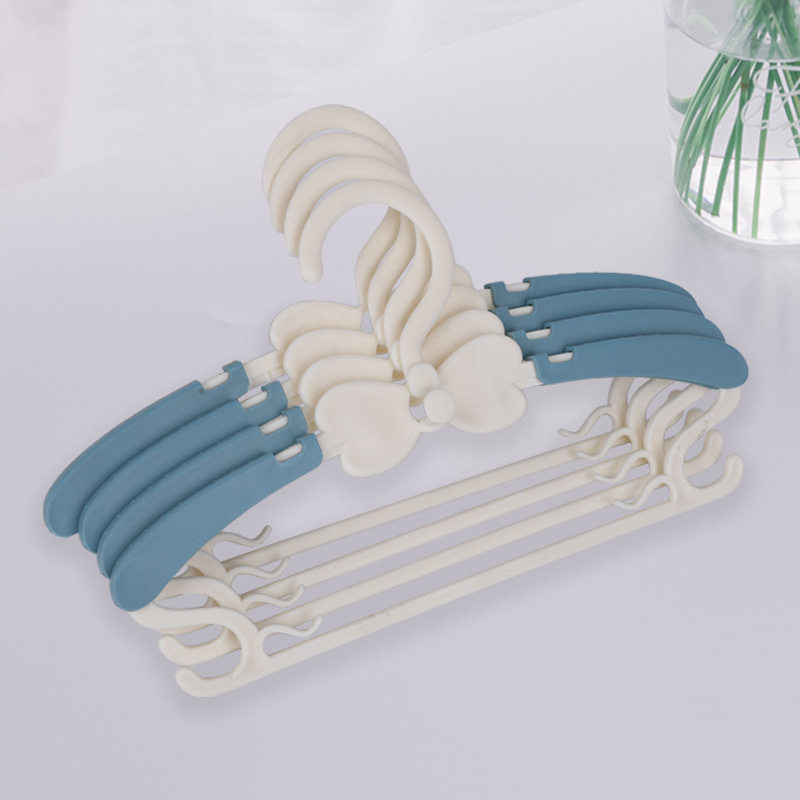
Plastic, wood, and metal hangers each offer different characteristics. Plastic models are often selected for their range of shapes and colors, wooden hangers can provide a more substantial appearance, and metal designs may suit applications where a slim profile is preferred.
The choice should reflect the garment category, expected handling frequency, visual positioning, and purchasing budget. Buyers should also review surface quality, hook attachment, edge treatment, and the consistency of finished products.
For manufacturers, material selection needs to be considered alongside mold design, forming methods, assembly, and quality inspection. A suitable material alone does not guarantee a well-performing finished hanger.
Plan Customization Around the Target Market
Retail chains, fashion brands, and promotional product distributors may have specific requirements for hanger dimensions, colors, logos, and packaging. Customization can help create a consistent presentation across stores or product collections.
Before starting a custom order, buyers should clarify:
- Garment categories the hangers will support
- Required dimensions and material preferences
- Color and surface finish
- Logo placement and branding method
- Packaging and shipment requirements
Providing clear specifications early makes sample evaluation and production communication more straightforward.
Work With a Manufacturer That Understands Garment Requirements
Selecting the right hanger involves understanding the clothing it will support and the environment in which it will be used. Manufacturers need to consider shape, material, surface finish, hook construction, and production consistency as connected parts of product development.
For overseas retailers and distributors sourcing Clothes Hangers, working with a manufacturer that understands these practical requirements can make product selection more precise. Instead of relying on one universal design, buyers can build a product range that supports different garment types, improves storage organization, and meets the expectations of their target customers.

 Phone

 Email
