
 English
 中文简体



Clothing presentation and storage are closely connected to the choice of accessories used in retail stores, hotels, laundries, and residential spaces. A hanger that is unsuitable for a garment may cause shoulder marks, slipping, or unnecessary wrinkles, while poorly planned storage can make wardrobes and display areas difficult to organize. For overseas retailers, importers, and commercial buyers, selecting Clothes Hangers involves more than comparing shapes and prices. Material, structure, garment compatibility, and storage efficiency all deserve attention when building a product range.

Match the Hanger Shape to the Garment
Different garments require different levels of support. Lightweight shirts, structured jackets, dresses, trousers, and heavy coats do not place the same demands on a hanger.
A narrow hanger may help save wardrobe space, but it may not provide enough support for garments with structured shoulders. Wider shoulder contours can be more appropriate for jackets and coats, while trouser bars or clips offer practical options for garments that need to hang vertically.
For buyers developing a retail or household collection, it is useful to consider the main garment categories before deciding on hanger dimensions. A coordinated selection can serve different clothing types without introducing unnecessary variations.
Choose Materials According to the Application
Material selection affects the appearance, strength, weight, and maintenance requirements of a hanger. Plastic, wood, and metal designs each offer different characteristics, making them suitable for different market segments.
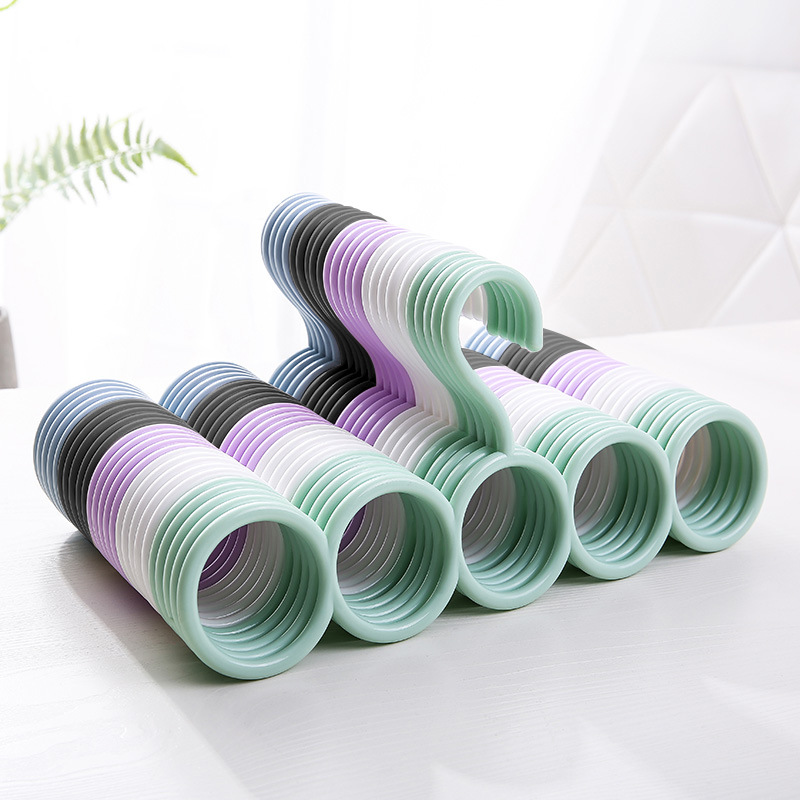
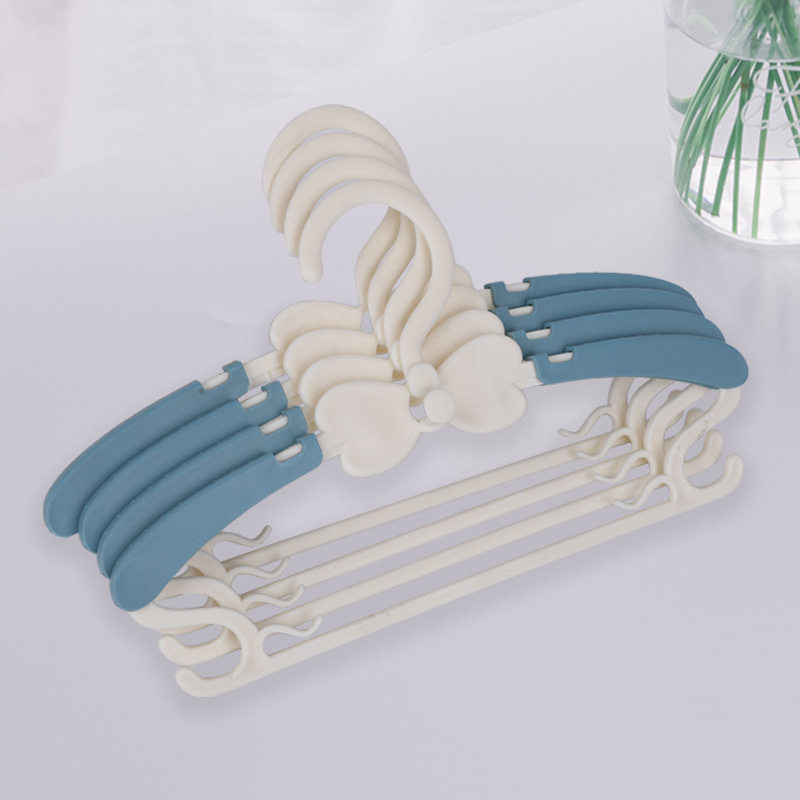
Plastic clothes hangers are often considered for lightweight construction, varied shapes, and color options. Wooden hangers can provide a more substantial appearance for premium garment displays, while metal hangers may be preferred where a slim profile is important.
Commercial buyers should also consider the environment in which the products will be used. Retail stores, hotel wardrobes, laundry facilities, and household closets may have different expectations for appearance, handling, and service life.
Prevent Garments From Slipping or Losing Their Shape
One common frustration in clothing storage is garments sliding off hangers. This can be particularly noticeable with wide-neck tops, silky fabrics, and garments with narrow shoulder straps.
Several design details can help address this issue:
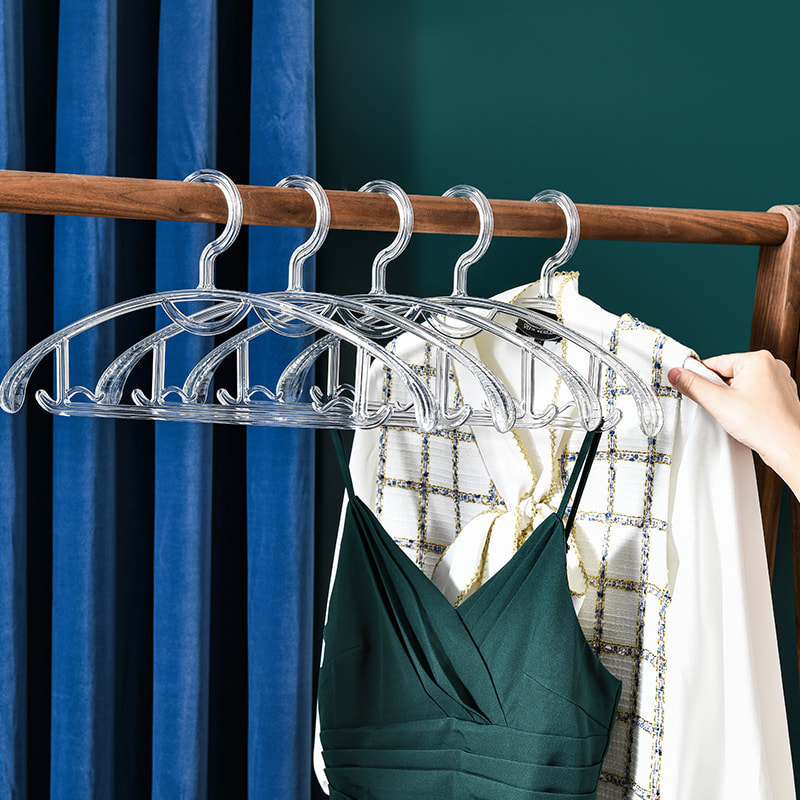
- Notched shoulders for garments with straps
- Textured or non-slip contact surfaces
- Clips for skirts and trousers
- Appropriate shoulder width for structured clothing
- Smooth edges to reduce unwanted contact with fabric
Buyers should evaluate these details according to the clothing types their customers use most frequently. A hanger designed for everyday shirts may not be the right choice for delicate dresses or heavier outerwear.
Make Better Use of Retail and Wardrobe Space
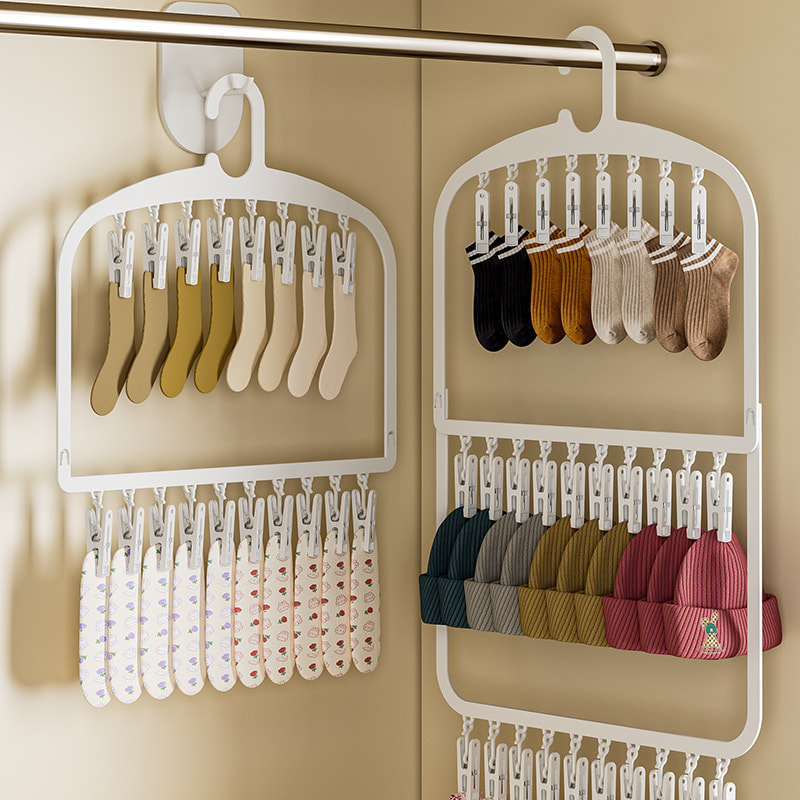
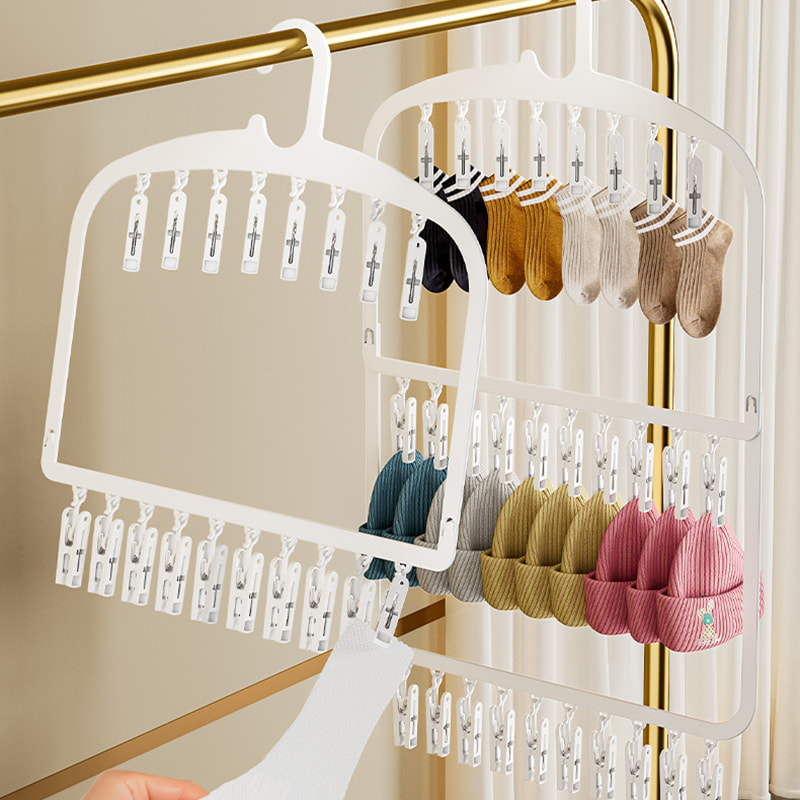
Space management is another important purchasing consideration. Retailers need to present garments clearly while keeping display rails organized. Hotels and residential users often want to store more clothing without making wardrobes difficult to access.
Slim-profile hangers can help reduce unnecessary space between garments, but reducing thickness should not compromise the support required by the clothing. The design needs to balance storage efficiency with structural suitability.
For commercial projects, buyers may also consider whether hangers can be arranged consistently on display rails and whether their hooks are compatible with the intended storage system.
Consider Durability in High-Turnover Environments
A hanger used in a household wardrobe may be handled occasionally, whereas one in a hotel, laundry, or retail environment may be moved repeatedly throughout the day.
For these applications, buyers should inspect the connection between the hook and body, the strength of clips, the rigidity of the main structure, and the finish of contact surfaces. Repeated handling can reveal weaknesses that may not be obvious when examining a new sample.
Manufacturers should pay attention to material consistency, molding or forming quality, assembly, and finished-product inspection. These factors become particularly important when supplying large orders across multiple locations.
Packaging and Logistics Matter for Bulk Buyers
Clothes hangers are often purchased in substantial quantities, so packaging should be considered during the procurement process. Buyers need to evaluate carton dimensions, product arrangement, protection against surface damage, and the number of pieces packed per carton.
A suitable packaging plan can make warehouse handling and distribution more convenient. For retailers with multiple branches, consistent product specifications and clear carton identification can also simplify stock management.
Before confirming an order, importers should communicate their packaging, labeling, branding, and shipment requirements to the manufacturer.
Build a Product Range Around Customer Needs
A successful hanger collection should reflect the garments and environments it is intended to serve. Retailers may prioritize visual consistency and display presentation, while hotels and laundry operators may focus more on handling, storage, and repeated use.
As a Clothes Hangers manufacturer, product development should take these differences into account through material selection, hanger dimensions, functional details, surface finishing, and packaging options. For overseas distributors and commercial buyers, sharing the intended application and target customer group early in the sourcing process makes it easier to develop a suitable product range and maintain consistency across repeat orders.


 Phone

 Email
