
 English
 中文简体
中文简体


The bathroom accessory market is rapidly evolving as sustainability becomes a key factor for both consumers and industrial buyers. Growing awareness of environmental impact, combined with stricter building codes and green certification requirements, is changing the way products are designed, manufactured, and sourced. Buyers are increasingly looking for durable solutions that reduce waste while maintaining high functionality and aesthetic appeal.
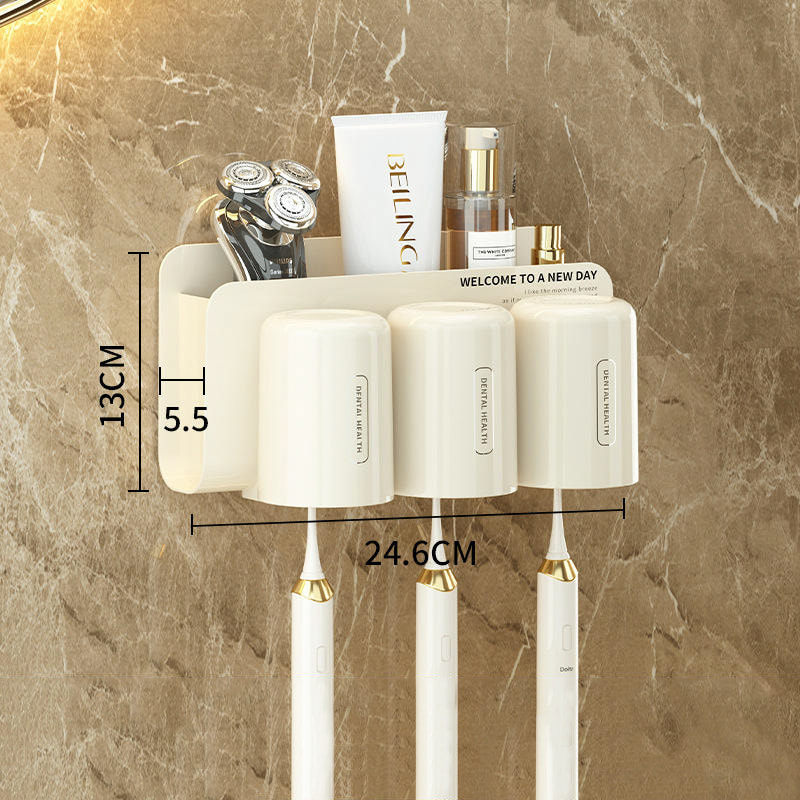
In recent trade discussions and social media trends, end users and professional buyers alike are asking: “Which bathroom accessories combine longevity with eco-friendly materials?”
The Challenge of Conventional Metal and Plastic
Traditional bathroom hardware often relies on metals prone to corrosion or plastics with limited recyclability. Frequent exposure to humidity, cleaning agents, and mechanical stress causes premature wear and replacement, increasing environmental impact over time.
Issues commonly reported include:
- rust and discoloration on metal surfaces
- brittle plastic parts under repeated load
- excessive waste from short product lifespans
- inconsistent quality across batches
This creates both cost and sustainability concerns for hotels, residential projects, and commercial property managers.
Eco-Friendly Coatings Are Gaining Attention
Surface treatment now plays a dual role: aesthetic appeal and environmental responsibility. Water-based coatings, powder coating, and anodized finishes reduce chemical pollution and enhance durability.
Key benefits of sustainable surface solutions:
- corrosion resistance without harmful solvents
- longer life reduces replacement frequency
- safer for installers and end users
- compliance with environmental standards
Leading shower caddy manufacturers integrate these coatings to achieve performance and eco-compliance simultaneously.
Material Innovation Drives Durability
Modern buyers prioritize products made from recycled metals or high-strength alloys with minimal environmental impact. This ensures accessories withstand frequent use without sacrificing appearance or safety.
Material considerations include:
- using stainless steel or aluminum for rust resistance
- recycled plastics for reduced carbon footprint
- reinforcing structural components for long-term stability
- selecting components compatible with disassembly and recycling
Such approaches are increasingly requested in large-scale projects, from hotels to multi-unit residential buildings.
Installation and Maintenance Efficiency
Eco-conscious designs also focus on minimizing installation and maintenance effort. Products that are easy to assemble, adjust, and clean help reduce resource consumption over their lifecycle.
Benefits for buyers:
- fewer replacement parts
- reduced water and chemical usage for cleaning
- streamlined installation saves labor costs
- lower long-term operational impact
- The Role of Industrial Standards
Certifications and international standards now guide procurement decisions. Buyers are evaluating suppliers based on compliance with ISO, RoHS, and other environmental or safety benchmarks.
Reliable bath tissue holder factory suppliers are recognized for:
- consistent product quality
- traceable supply chains
- adherence to environmental guidelines
- predictable performance under real-world conditions
- Meeting Global Market Demand
As awareness of sustainability rises, industrial buyers and architects seek products that align with both environmental goals and functional requirements. Social media trends, eco-conscious building certifications, and international sourcing platforms highlight growing demand for responsibly manufactured bathroom accessories.
By integrating recyclable materials, advanced surface coatings, and efficient design, manufacturers that specialize in shower caddy and bath tissue holder solutions position themselves as preferred partners for global buyers committed to sustainable construction and long-lasting product performance.

 Phone
Phone
 Email
Email