
 English
 中文简体
中文简体


Bathrooms are increasingly being designed as spaces for relaxation, personal care, and everyday comfort rather than purely functional rooms. Recent bathroom design research has highlighted organized storage and wellness-oriented spaces as important considerations, while current interior trends continue to connect practical bathroom products with a more comfortable home experience. For retailers, distributors, hospitality suppliers, and private-label buyers, this raises a practical question: how should a bath caddy be developed so that it solves real storage problems while still fitting modern bathroom expectations? Choosing the right bath caddy factory requires looking beyond appearance and considering materials, structure, usability, and manufacturing consistency.
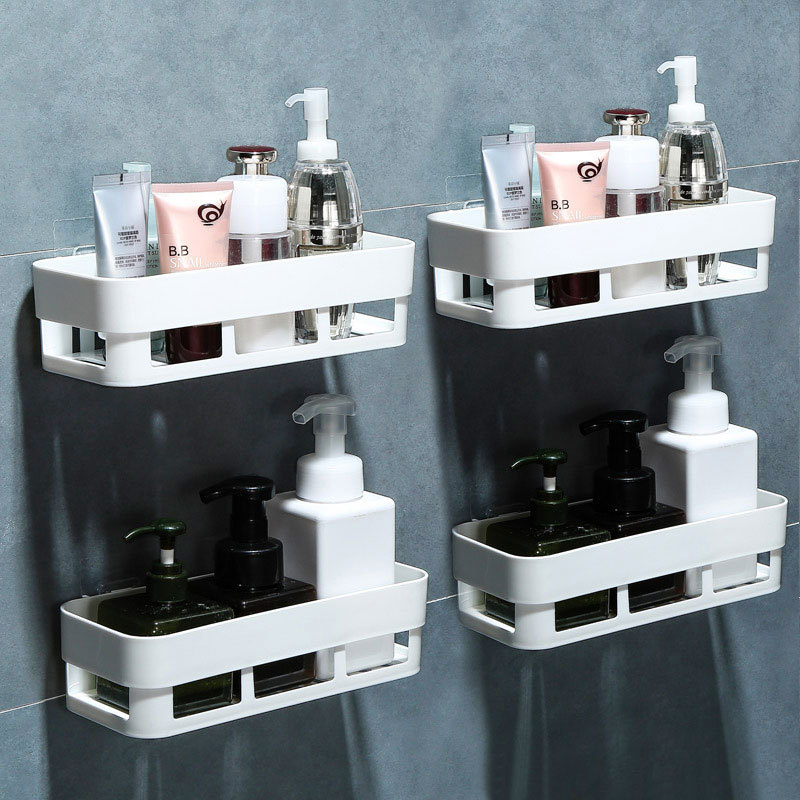
Start With the Actual Bathing Scenario
A bath caddy may be used to hold toiletries, towels, books, electronic devices, or personal-care items, depending on the target market. However, not every bathtub has the same width, shape, or surrounding space. A product designed for a narrow household tub may need different dimensions from one intended for larger residential bathrooms or hospitality environments. Manufacturers therefore need to consider how users will position, adjust, clean, and store the product rather than designing around appearance alone.
Why Material Selection Matters
Bathroom accessories operate in a humid environment, so material selection directly affects product performance and maintenance expectations. Wood can provide a warm, natural appearance, while metal, bamboo, plastic, or mixed-material construction can create different balances between appearance, weight, moisture resistance, and production cost.
For procurement teams, material evaluation should include more than the material name. Surface treatment, hardware, joints, edges, and contact points all deserve attention because these details influence how the finished product behaves during repeated use and cleaning.
Make Adjustability Part of the Design
One common challenge with bathtub accessories is fitting different bathroom configurations. A bath caddy with adjustable sections can provide greater flexibility, but adjustment should not make the structure unnecessarily complicated. Sliding components, support points, and locking details need to work together without creating difficult assembly or cleaning areas.
For a manufacturer, this means testing the relationship between dimensions and structural stability during product development. A simple adjustment mechanism can often create a better user experience than adding unnecessary functions.
Keep Storage Useful, Not Overloaded
Adding more compartments does not automatically make a bath tray more practical. Buyers should consider which items users actually need within reach during bathing. Dedicated areas for frequently used products can be more useful than a crowded layout.
A practical product development process can evaluate:
- Main storage areas and their usable dimensions
- Placement of smaller personal-care items
- Support for commonly used accessories
- Drainage and cleaning considerations
- Folding or storage requirements when the product is not being used
This approach helps keep the product focused on everyday use rather than adding features simply for visual appeal.
Match Design With the Target Market
Current bathroom design discussions place greater attention on organized storage, natural materials, and wellness-oriented spaces. This creates opportunities for bath caddies in different product collections, but the design language should still match the intended market.
A minimalist metal design may suit a contemporary bathroom range, while bamboo or wood-inspired construction may work better with natural or spa-oriented collections. For private-label buyers, color, material combinations, packaging, and branding can also be considered during product development.
Manufacturing Consistency Matters at Scale
A product sample can look attractive while still presenting production challenges. For bath caddy manufacturers, consistent dimensions, surface treatment, hardware fitting, assembly quality, and packaging protection all need to be considered before mass production.
This is where working directly with a bath caddy factory can be valuable. A manufacturer can evaluate the design from both the user's perspective and the production side, helping buyers identify potential problems before they become repeated quality issues across a larger order.
Build the Product Around Long-Term Use
A successful bath accessory does not need to be complicated. It needs to fit the bathtub, support the user's routine, tolerate the bathroom environment, and remain easy to handle and maintain. For overseas buyers developing a new bathroom accessory line, discussing materials, dimensions, functions, finish options, packaging, and customization with a bath caddy factory can provide a more practical starting point than selecting a product based on appearance alone. When these factors are considered together, a well-developed bath caddy can become a useful part of modern bathroom storage while giving manufacturers more room to create products suited to different markets.

 Phone
Phone
 Email
Email